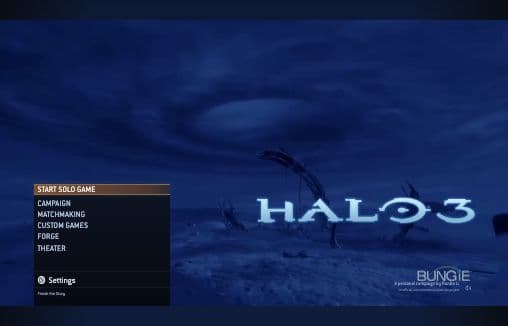
Finish the Story
A personal website you can play inside Halo 3’s Guardian.
Experimental
01@maker-825fcc56
Hot first. Filters live in the URL, so any view you land on is a link you can send someone.
A personal website you can play inside Halo 3’s Guardian.
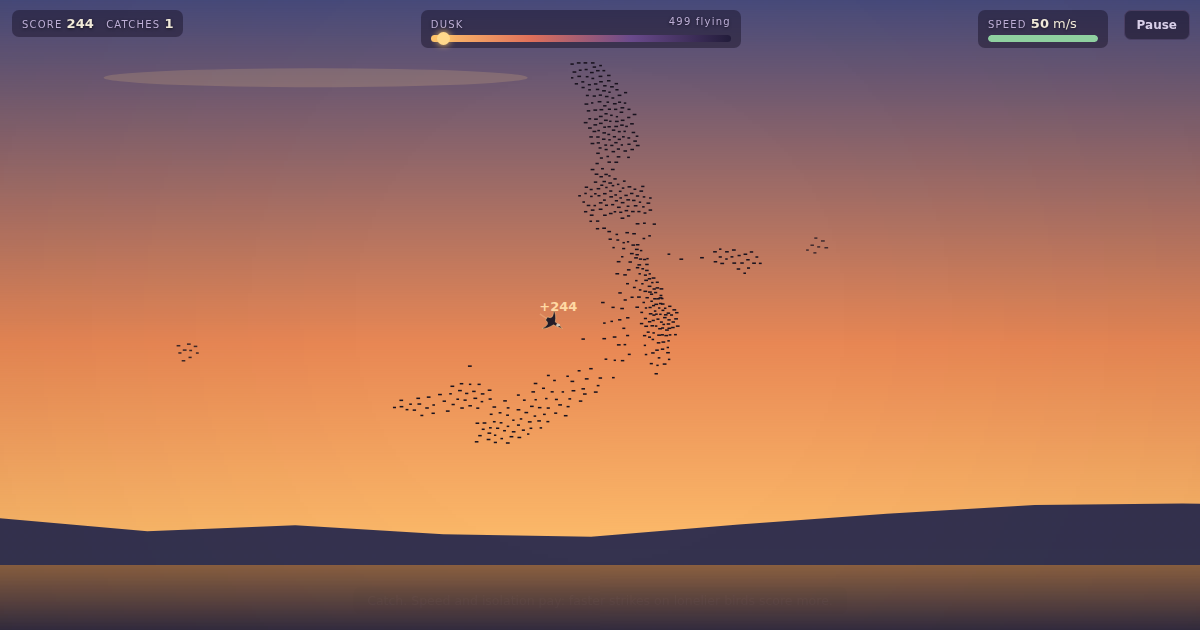
A peregrine against a live murmuration of five hundred starlings. The flock dodges as one mass; split it and take the stragglers.
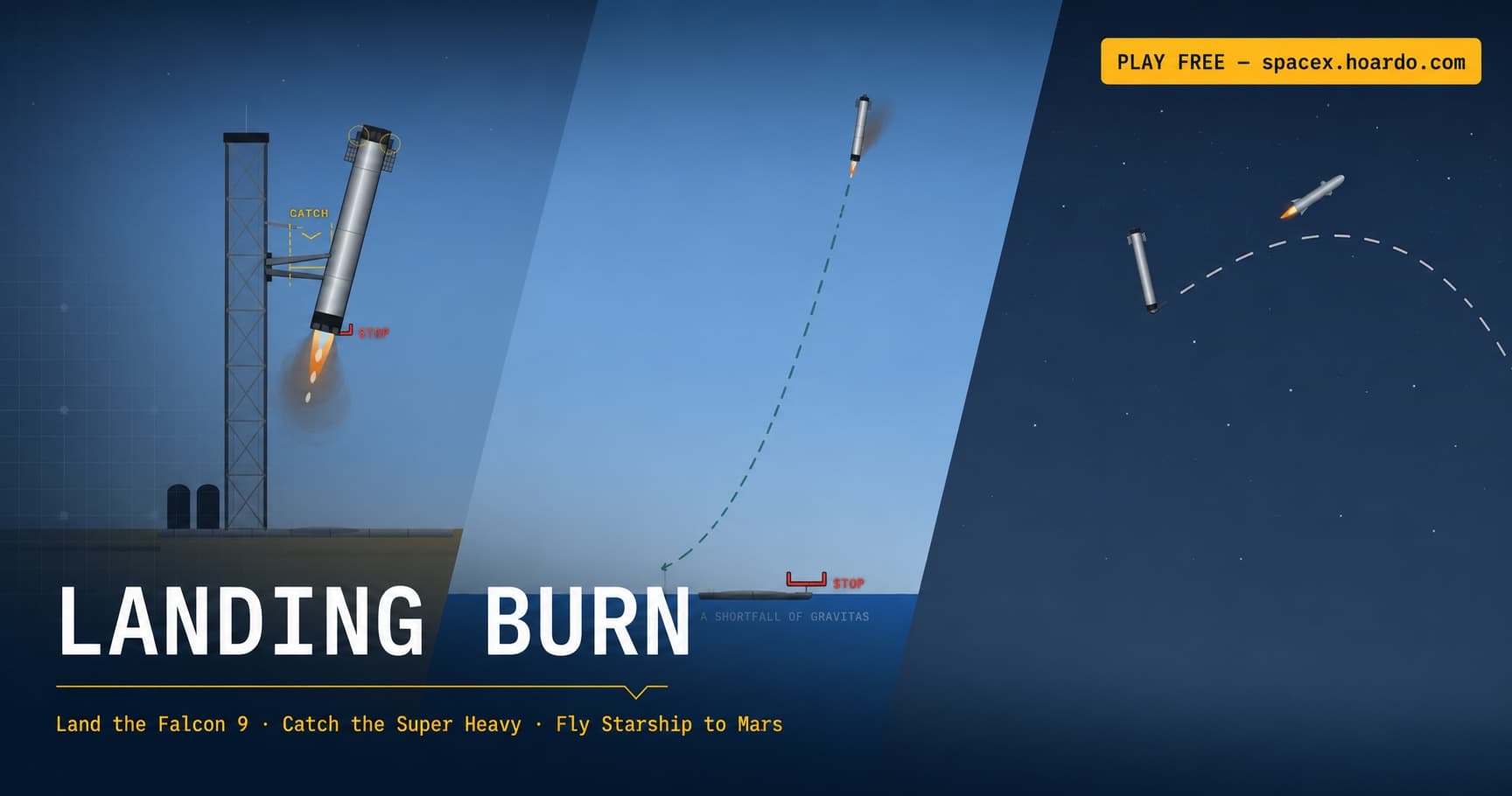
Land the rockets, slingshot around moon and try the chopstick landing
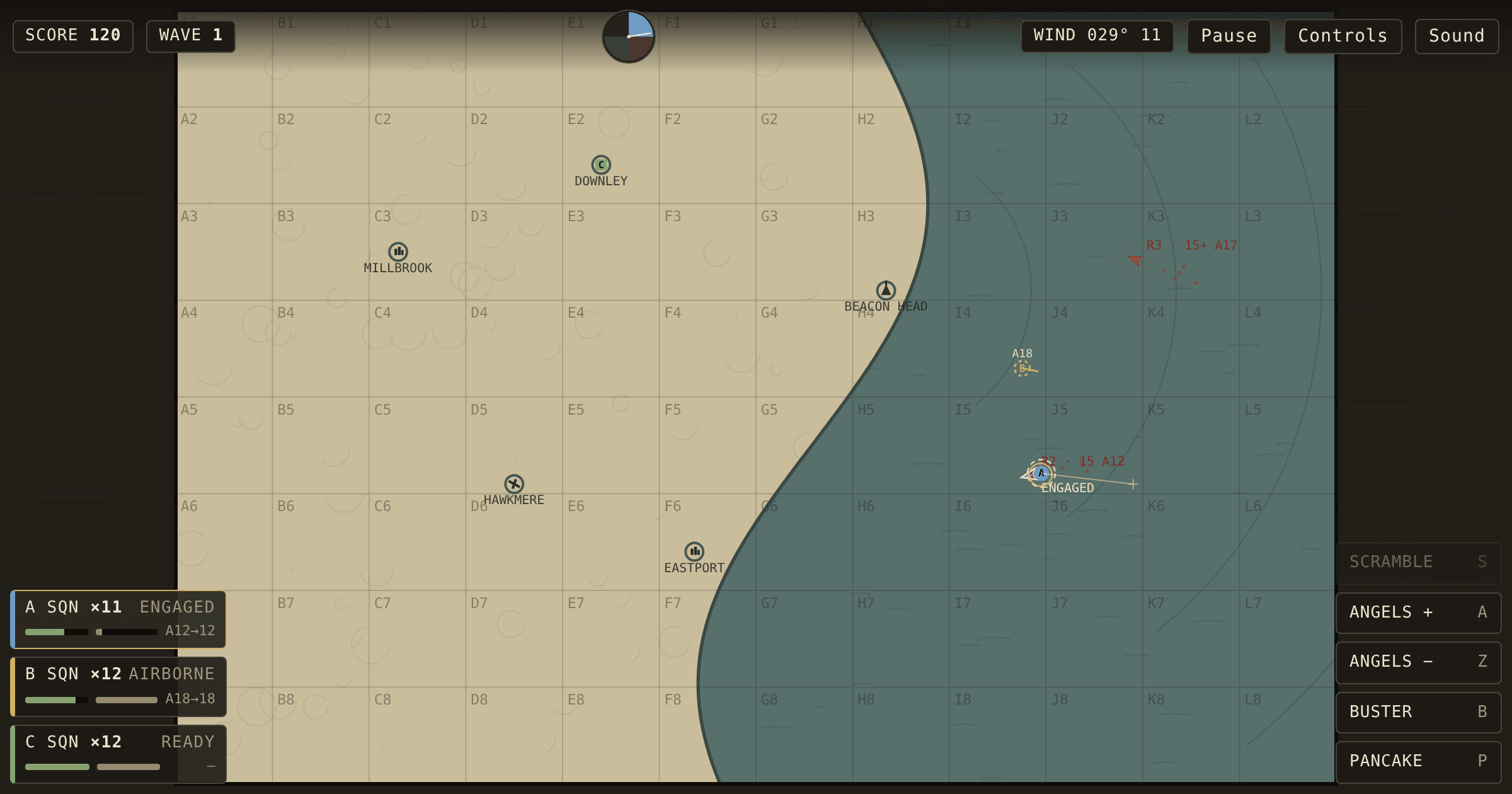
Vector three squadrons onto radar plots. Your own fighters report a true position once per quarter of the clock.
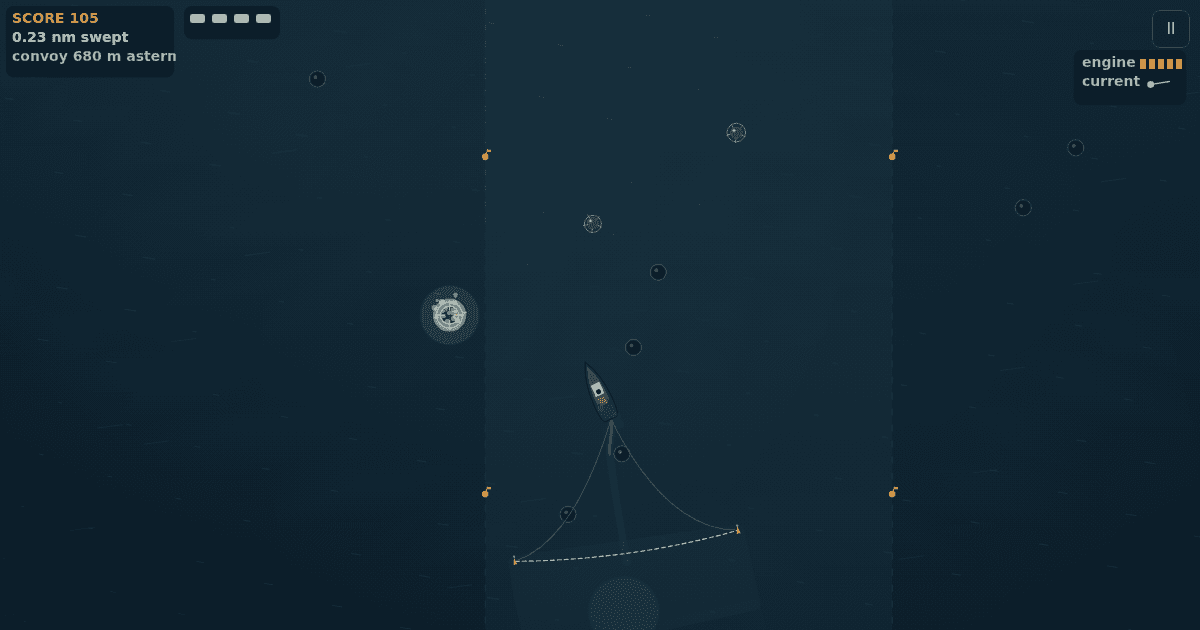
Tow a sweep wire that covers where you steamed ten seconds ago. Cut the mines, shoot the floaters, keep ahead of the convoy.
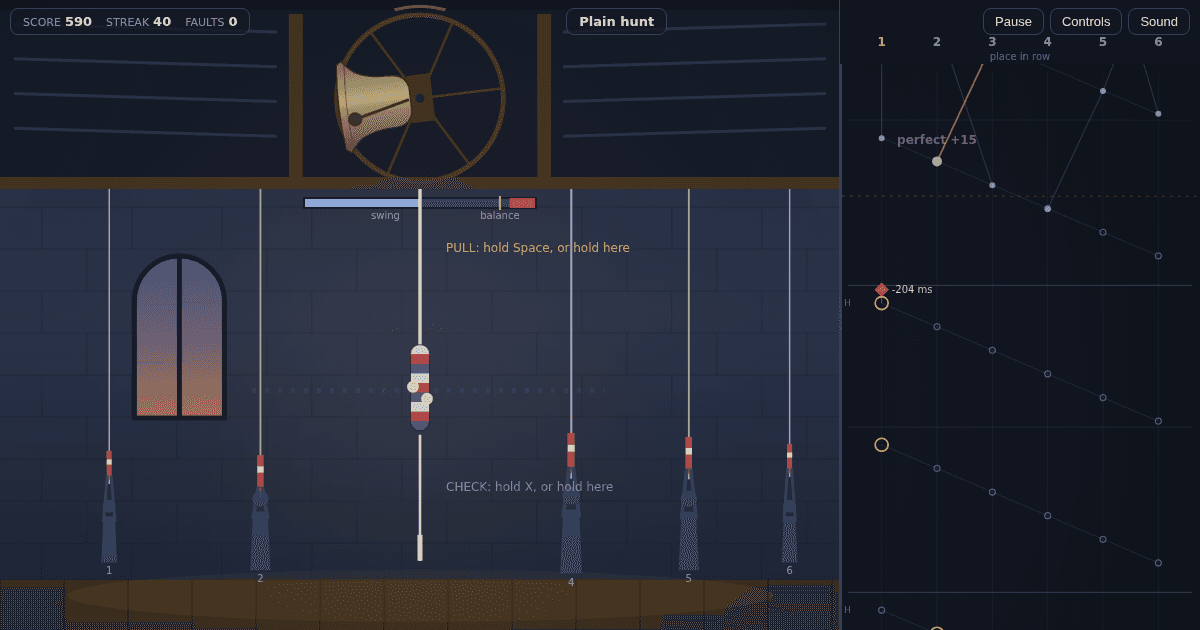
Ring the third of six tower bells. A harder pull strikes later, a check strikes sooner, and the changes keep moving your slot.
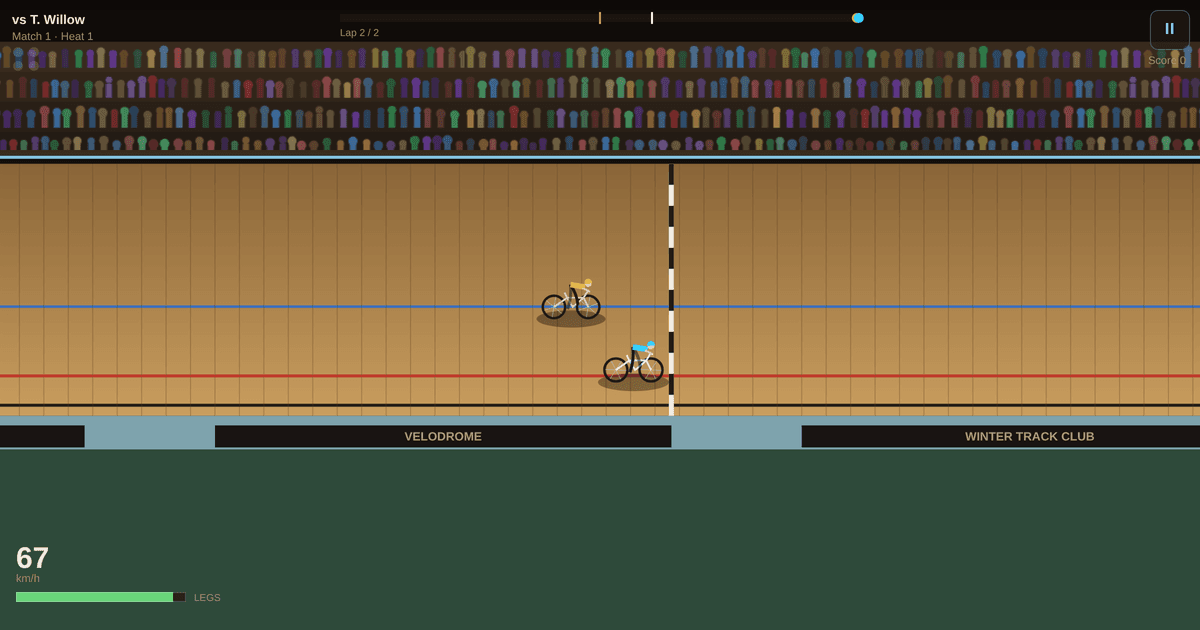
A velodrome match sprint. Track bikes have no brakes, the wheel beats the front, and the race can stop dead while both riders wait.
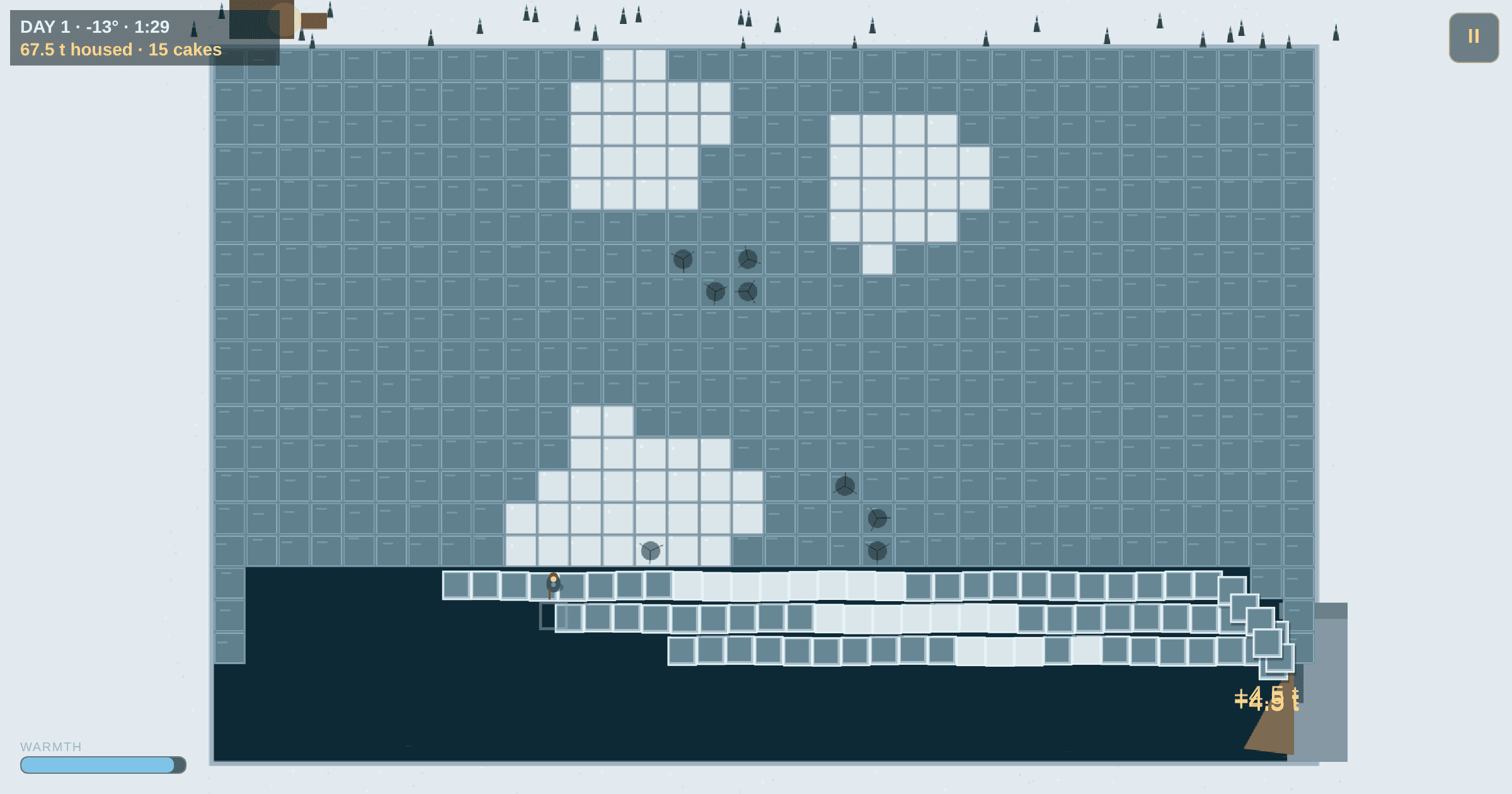
Harvest a frozen pond before the thaw. Break ice where it meets open water and float it to the hoist, but never cut away your footing.
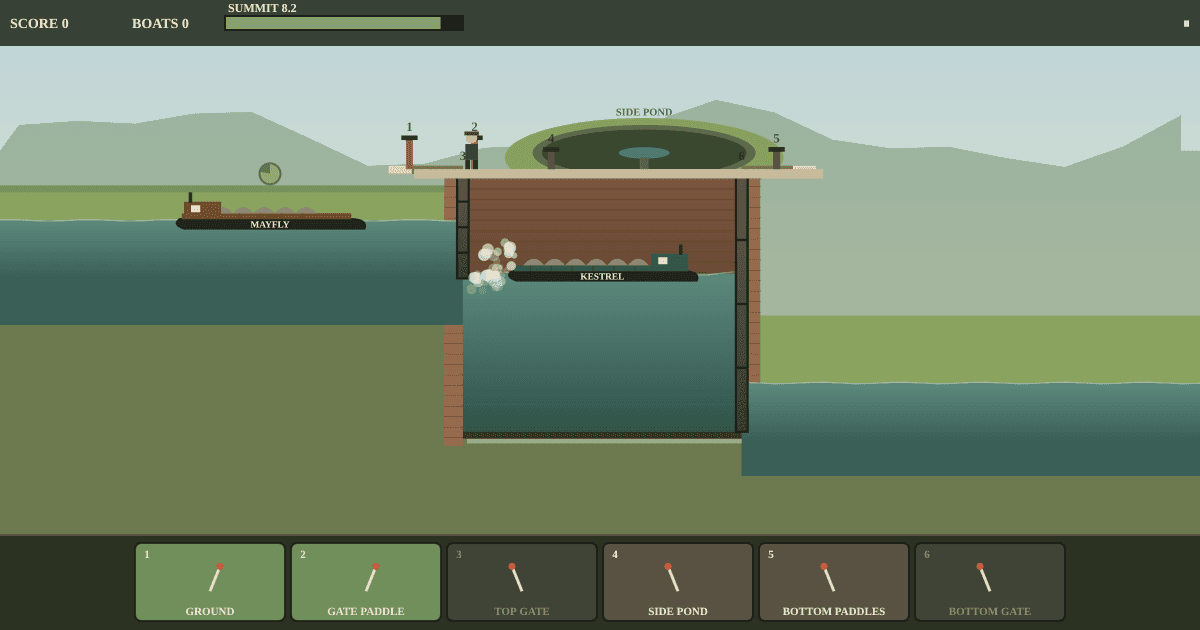
Work a canal lock through a drought on nine lockfuls of water. Pair the traffic, ease the paddles, and bank the rest in the side pond.
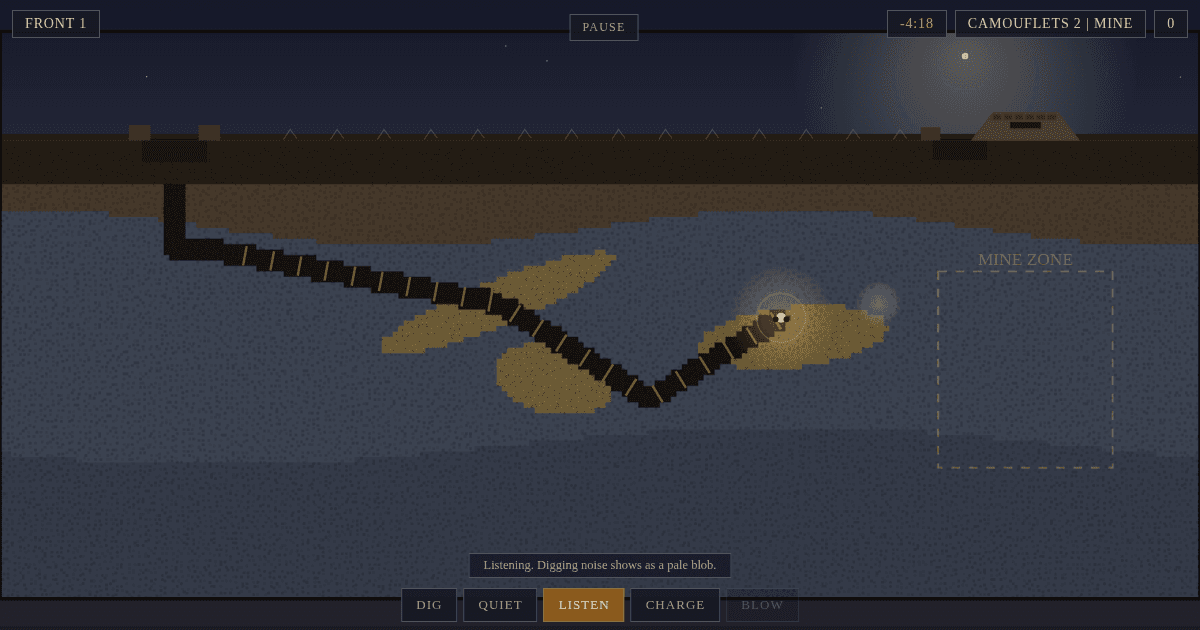
Tunnel under no-man's-land and mine the redoubt before zero hour. Digging deafens you, listening needs stillness, and the enemy digs too.
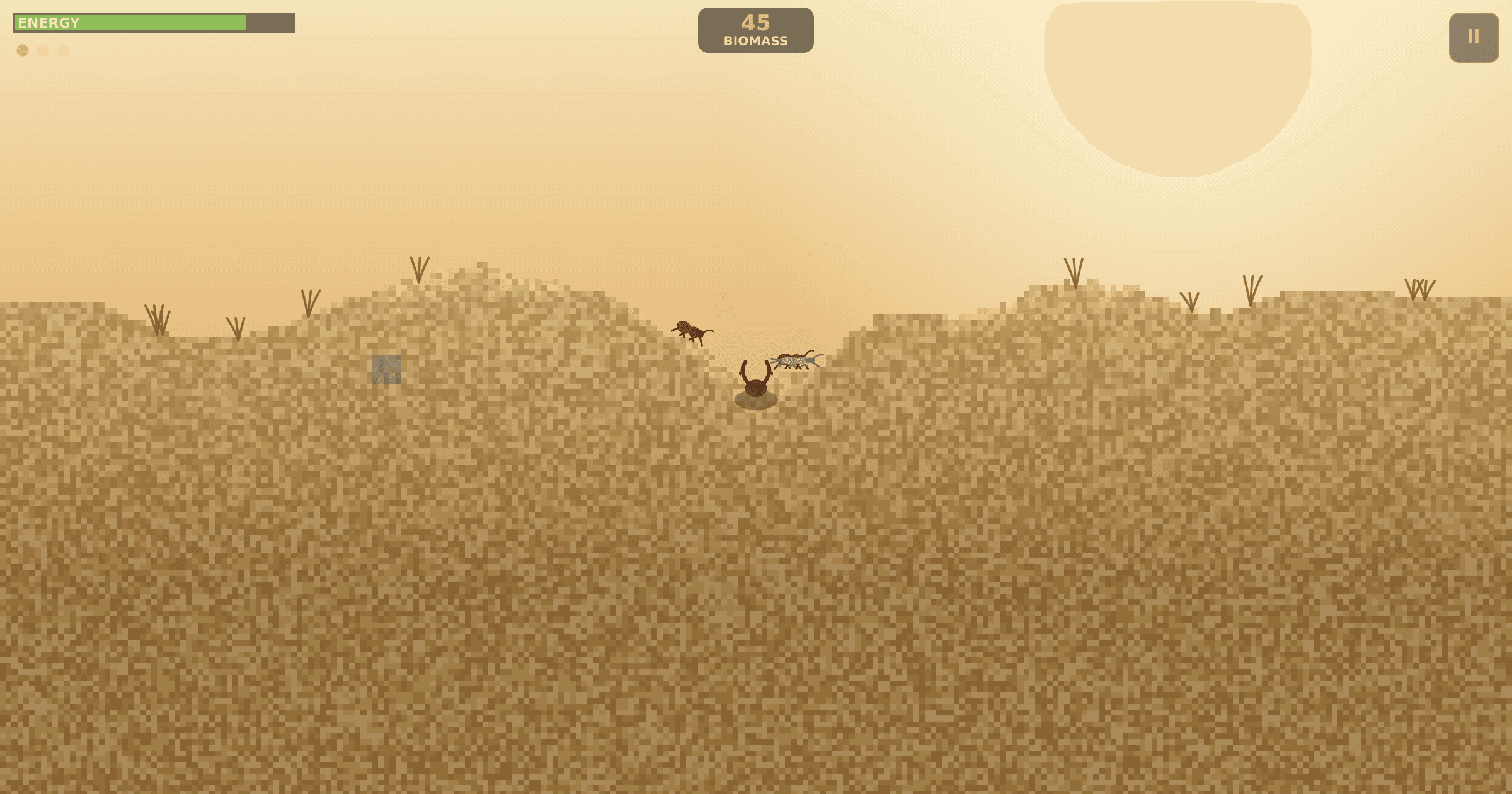
You are an antlion. Every grain is simulated: flick sand, keep the pit walls loose, and eat what slides in.
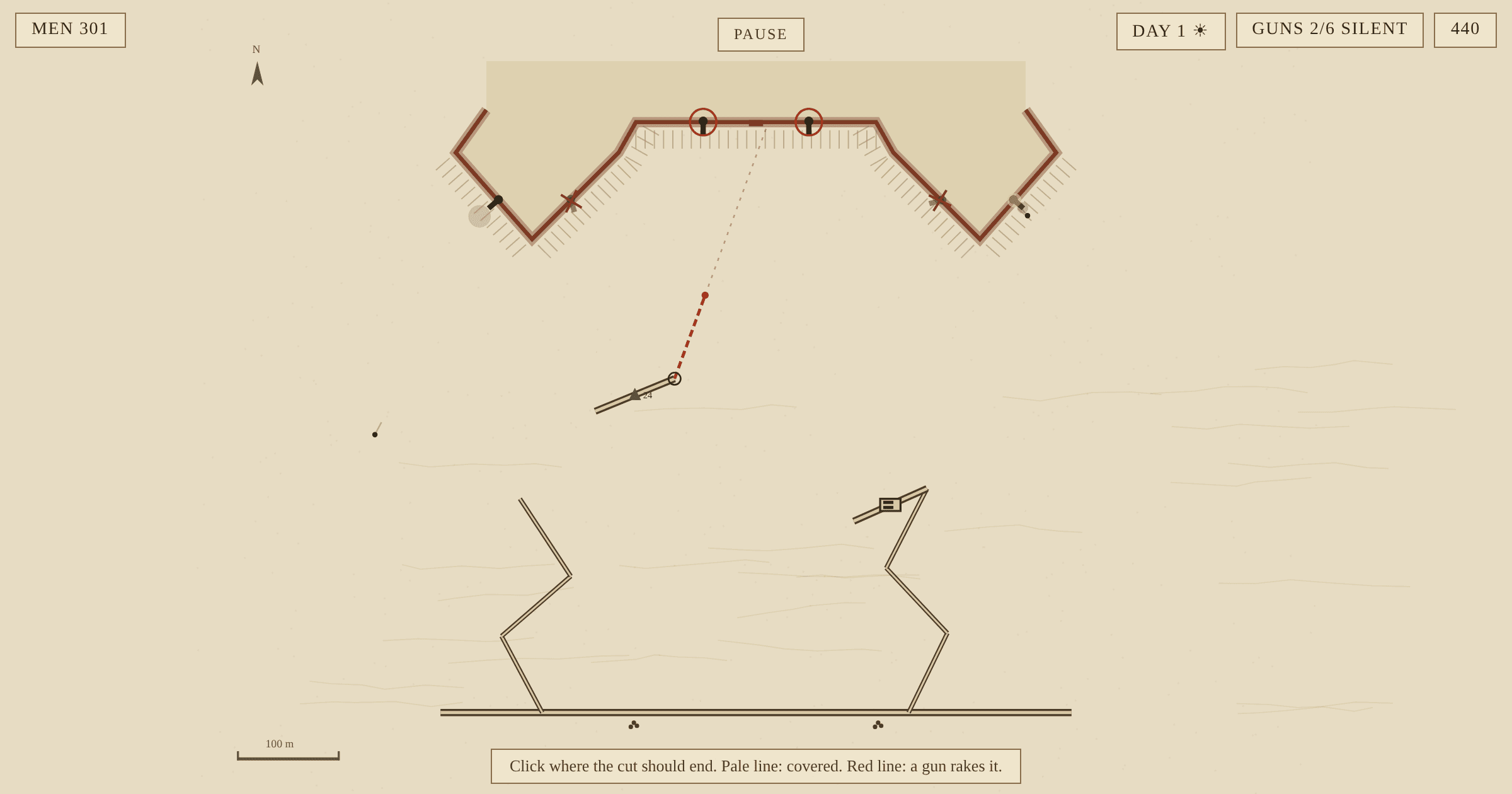
Dig zigzag saps to a star fort. A gun that can see straight down your trench rakes it end to end.
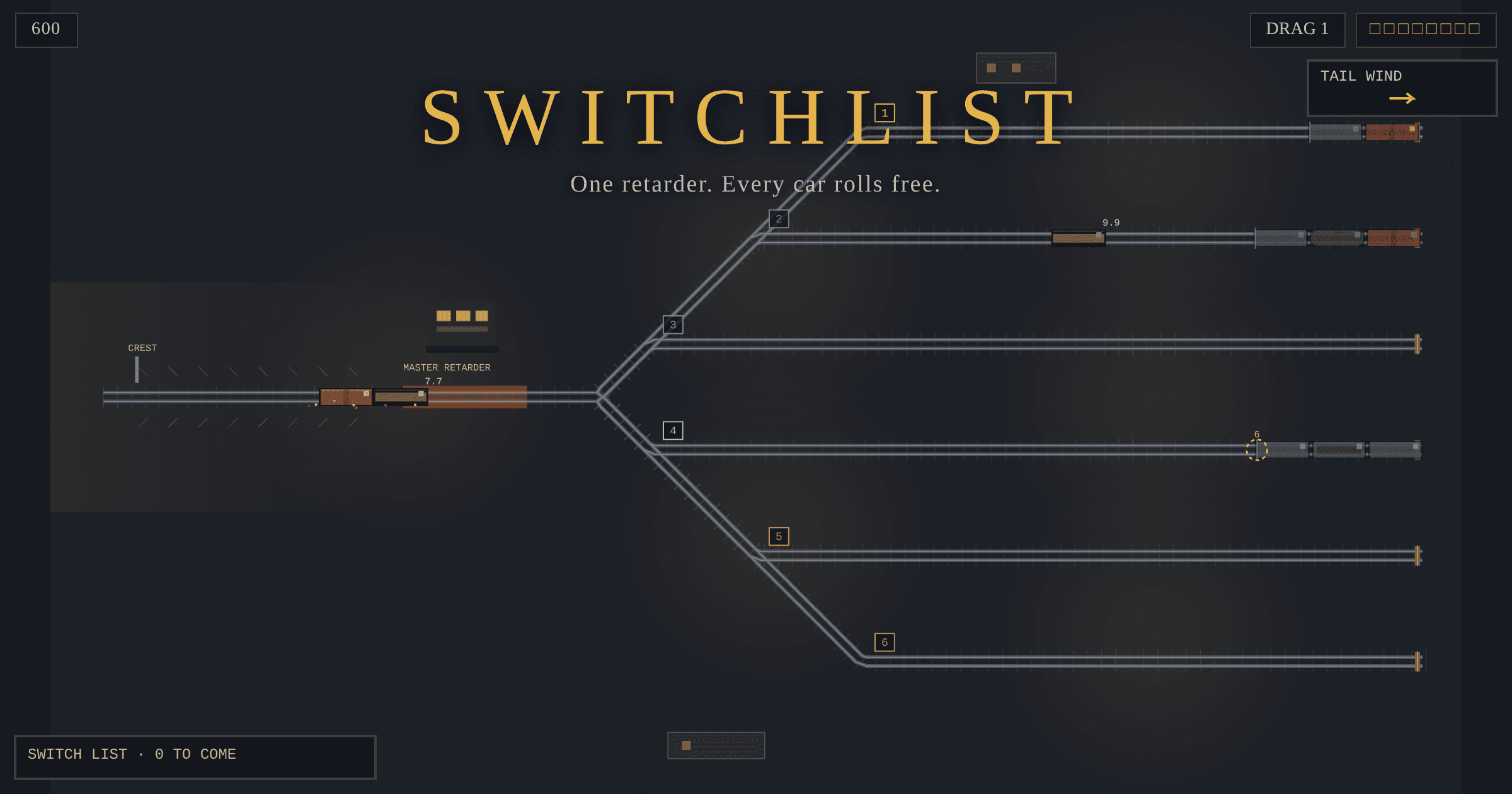
Sort freight cars over a gravity hump with one retarder. Land each car under 4.5 mph on its listed track, and keep them apart.
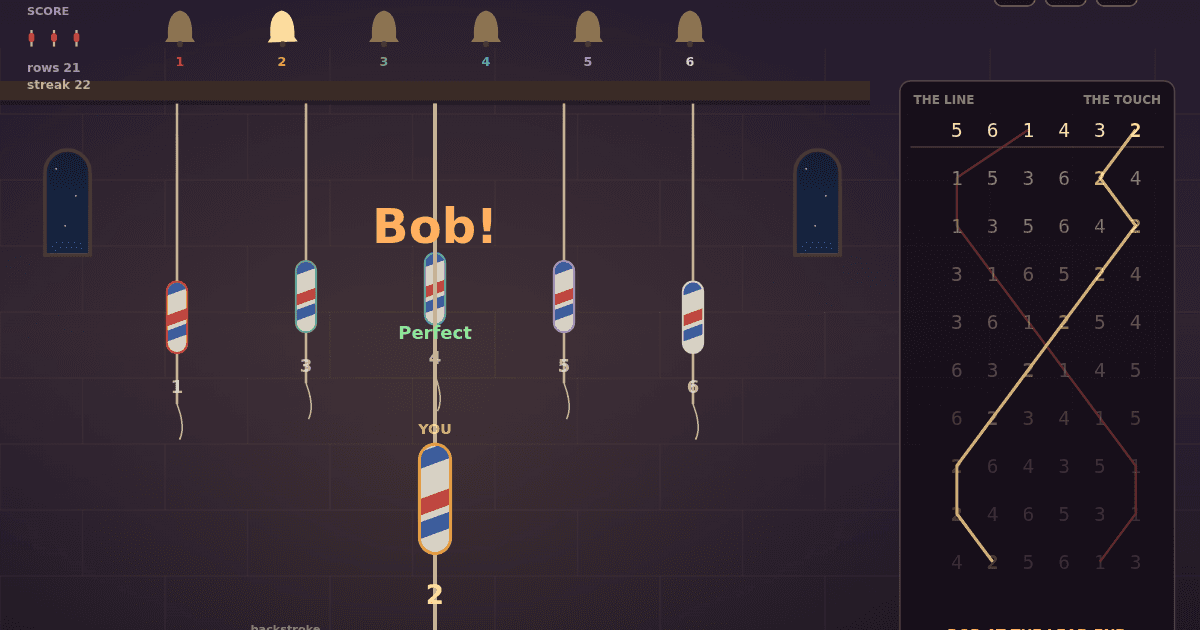
Ring the second bell of six. Strike your slot as the rows permute, and answer Bob when the conductor calls it.
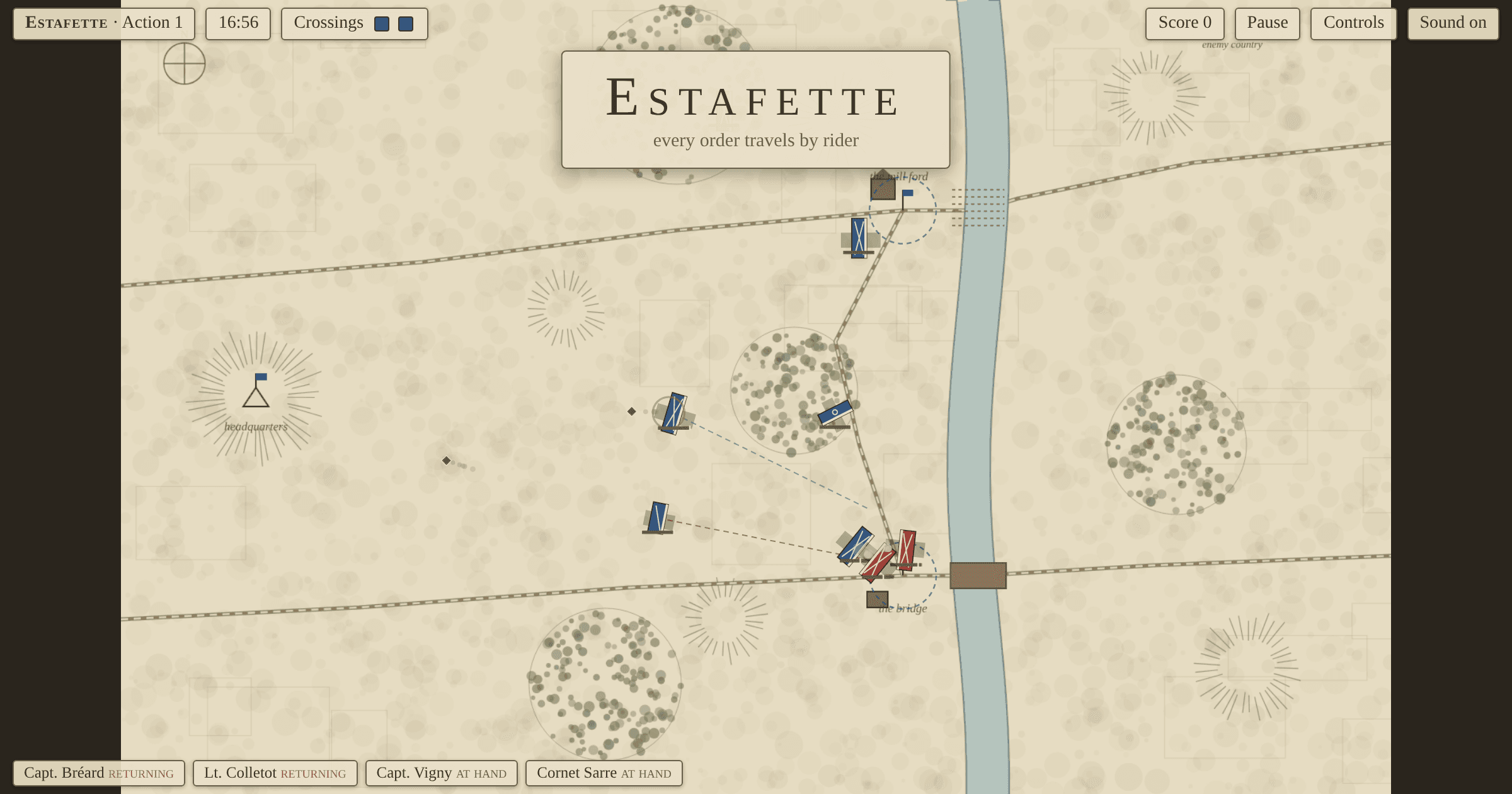
Command a battle from the hill. Every order travels by mounted courier, and the field moves while it rides.
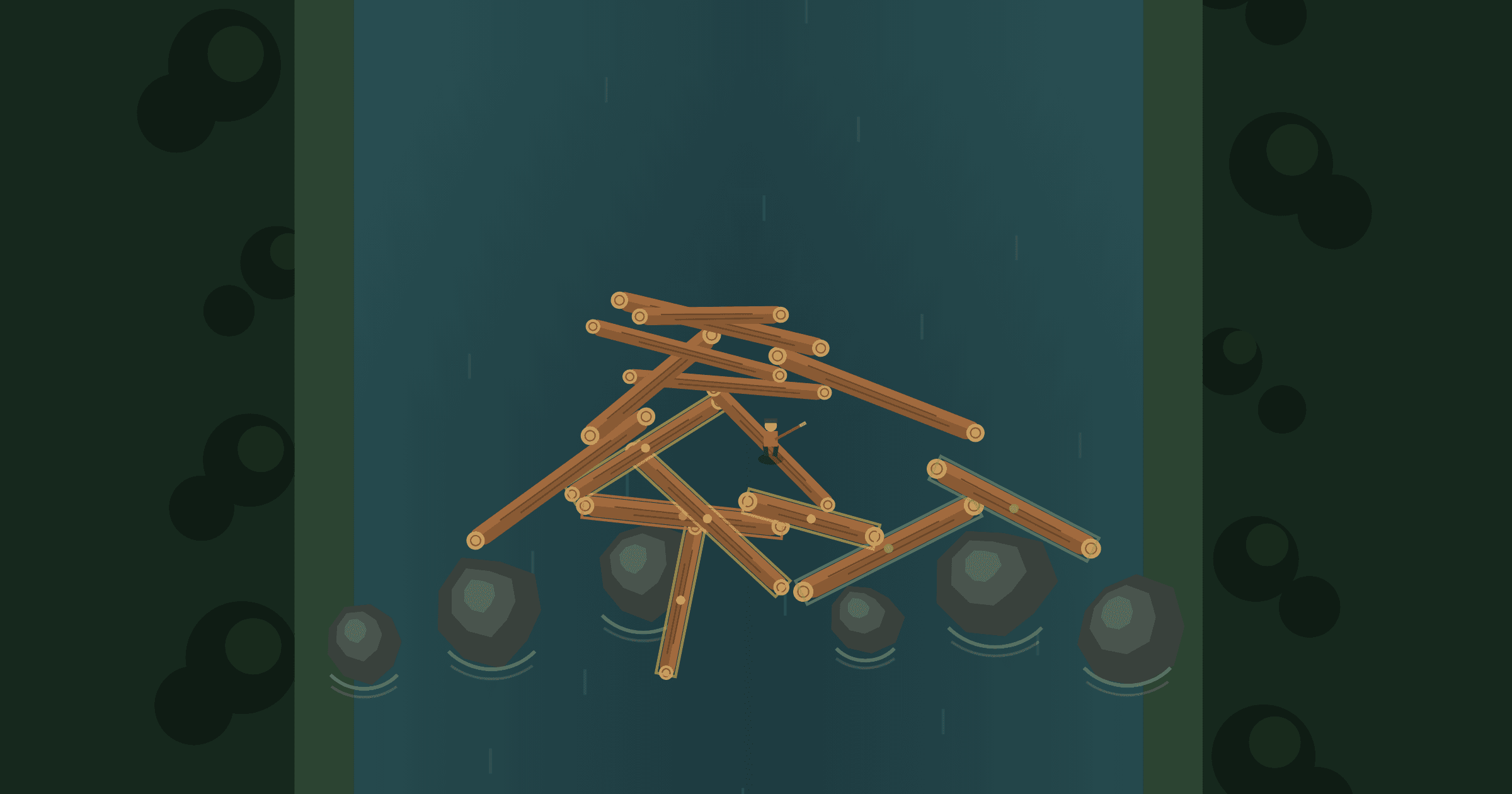
Sound the jam log by log, find the one holding it, pull it, and get to the bank before the timber moves.
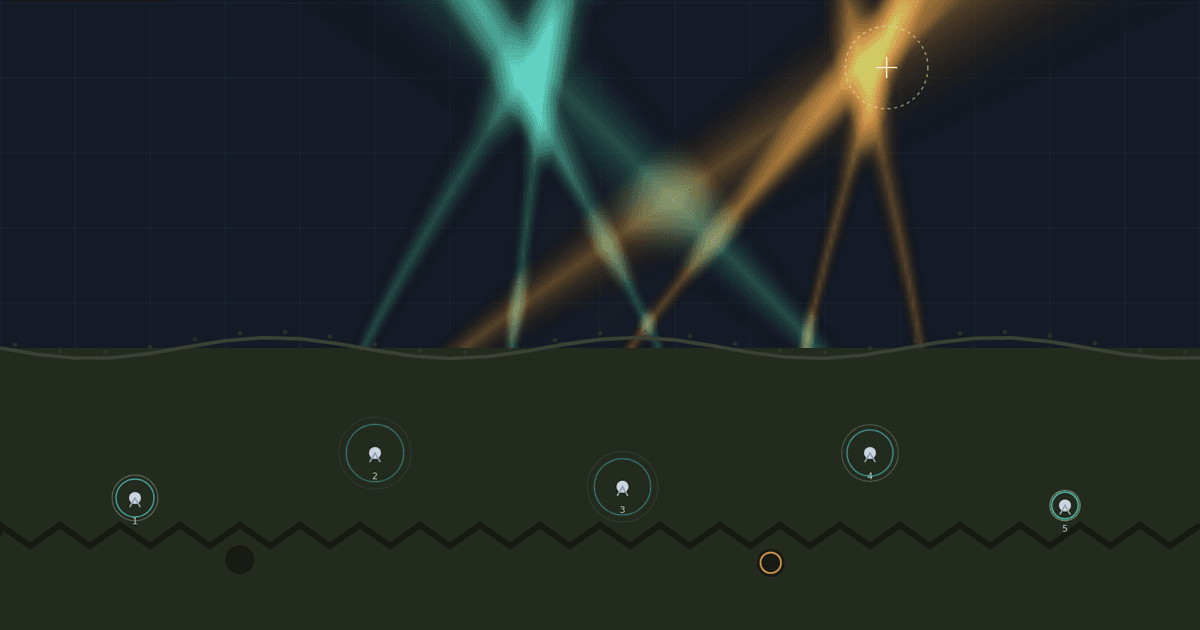
Hidden guns thunder behind the ridge. Five microphones hear each salvo at different moments. The bands cross where the gun stands.
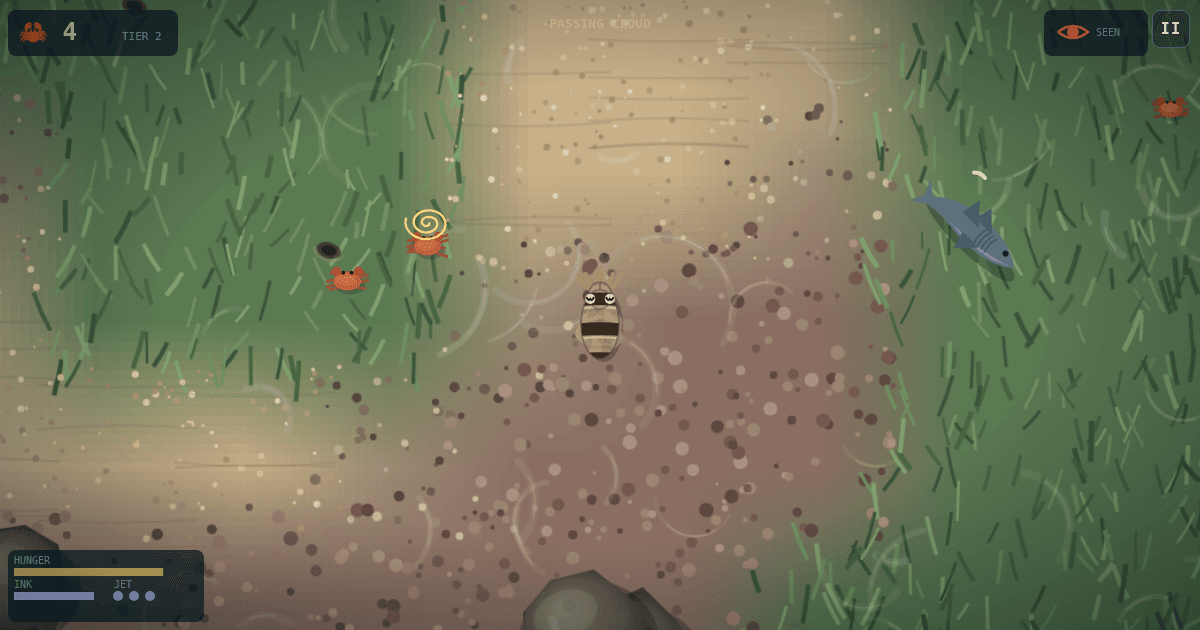
Hold still and your skin becomes the seabed. The stripes that freeze a crab show every shark where you are.
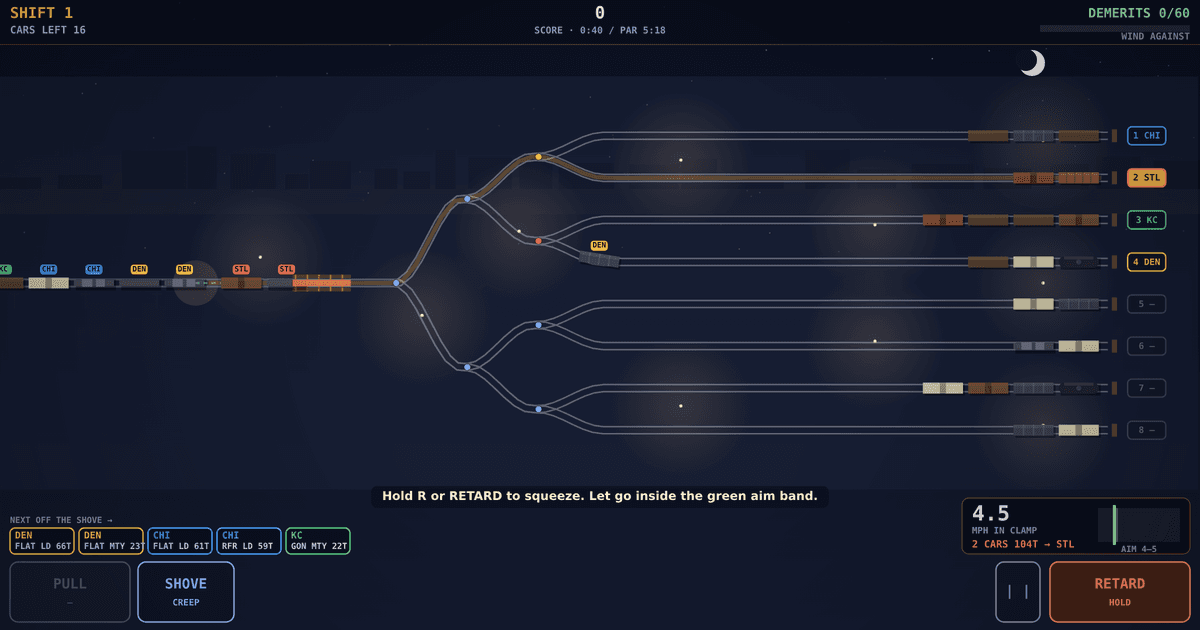
Pull the pin at the crest, line the switches, squeeze the retarder. Every car rolls differently.
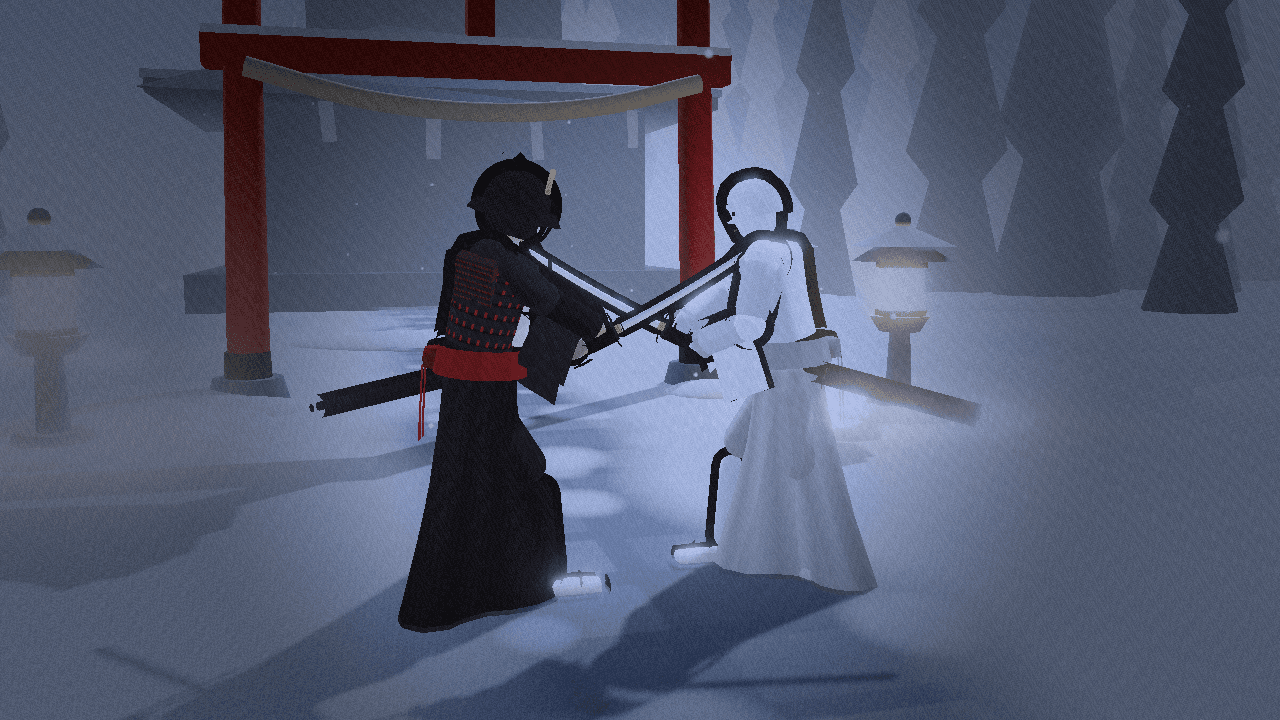
Two swords move at once. Three guards, one line, one cut. Read them before they read you — then watch the whole duel back as a film.
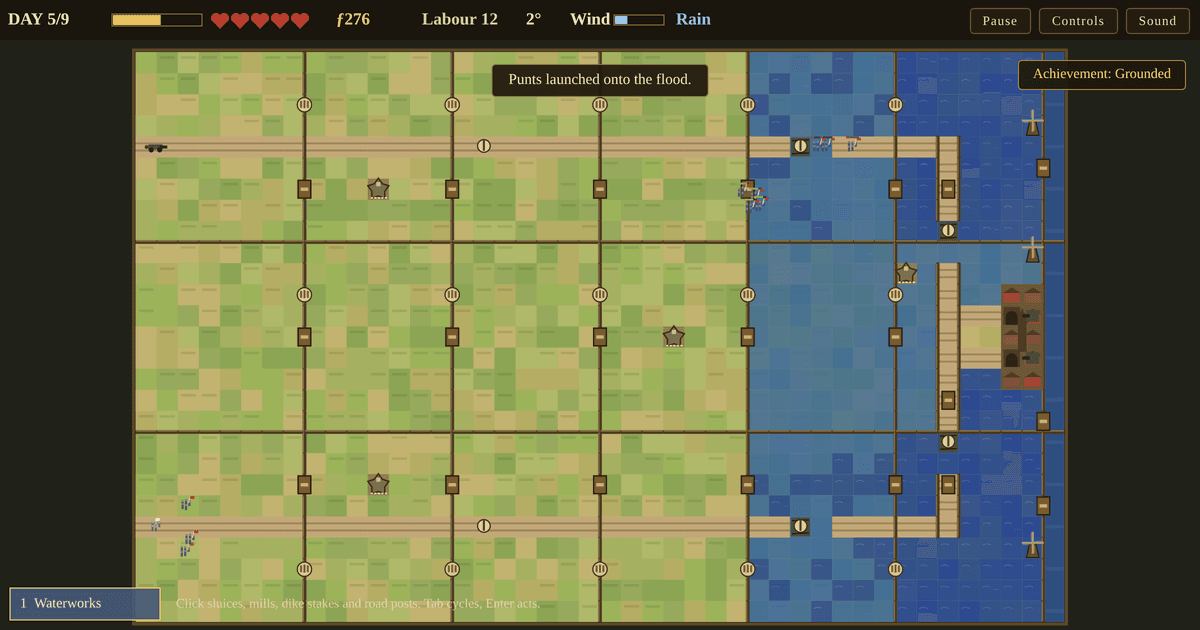
Flood the polders to stop an army: knee-deep water routs a column, deeper floats their punts, and in frost it freezes into a road.
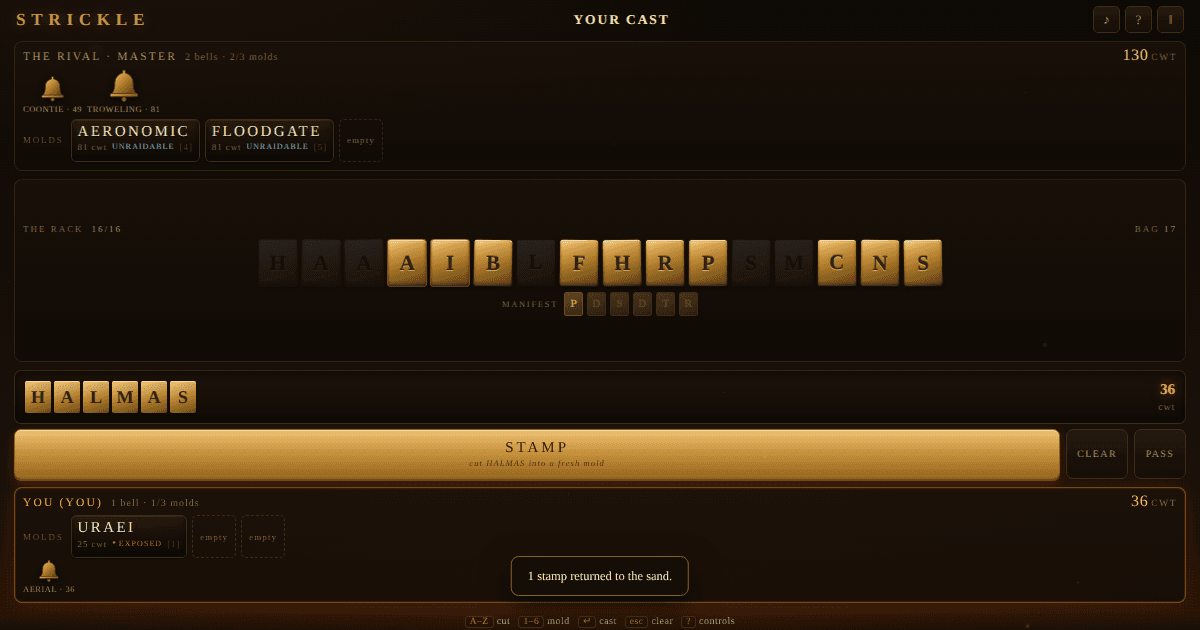
Stamp words into bell molds, raid your rival's, recast them bigger — nothing counts till you pour. Send a friend a code and out-found them.
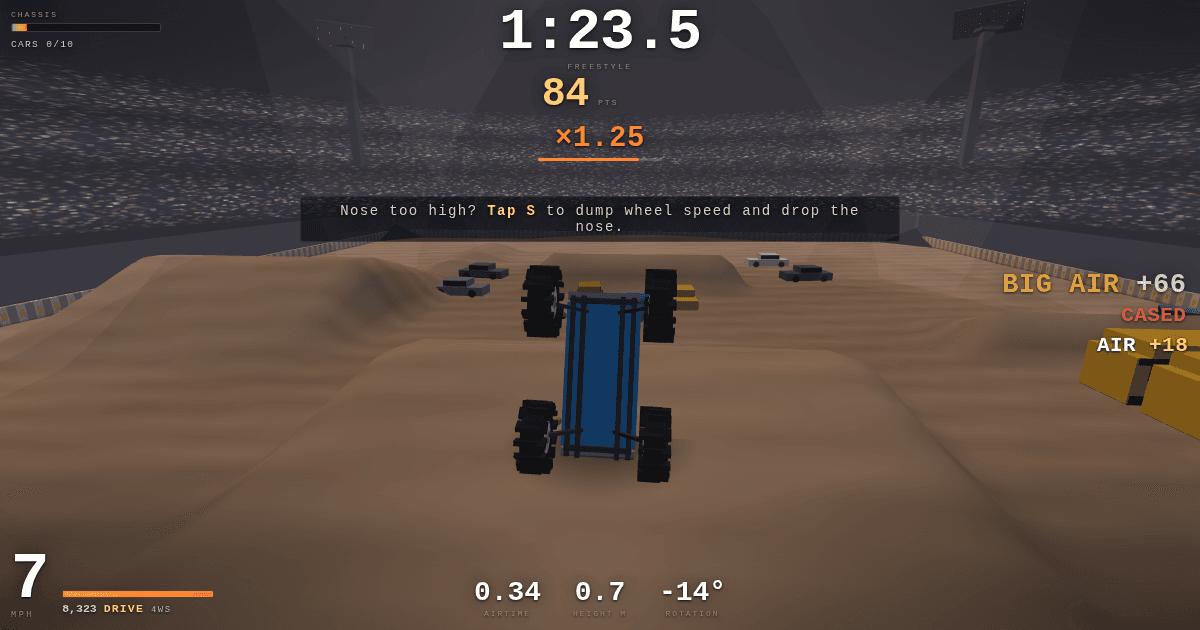
There is no flip button. The wheels are flywheels — throttle noses you up, brake slams you down. Now backflip 4½ tonnes.
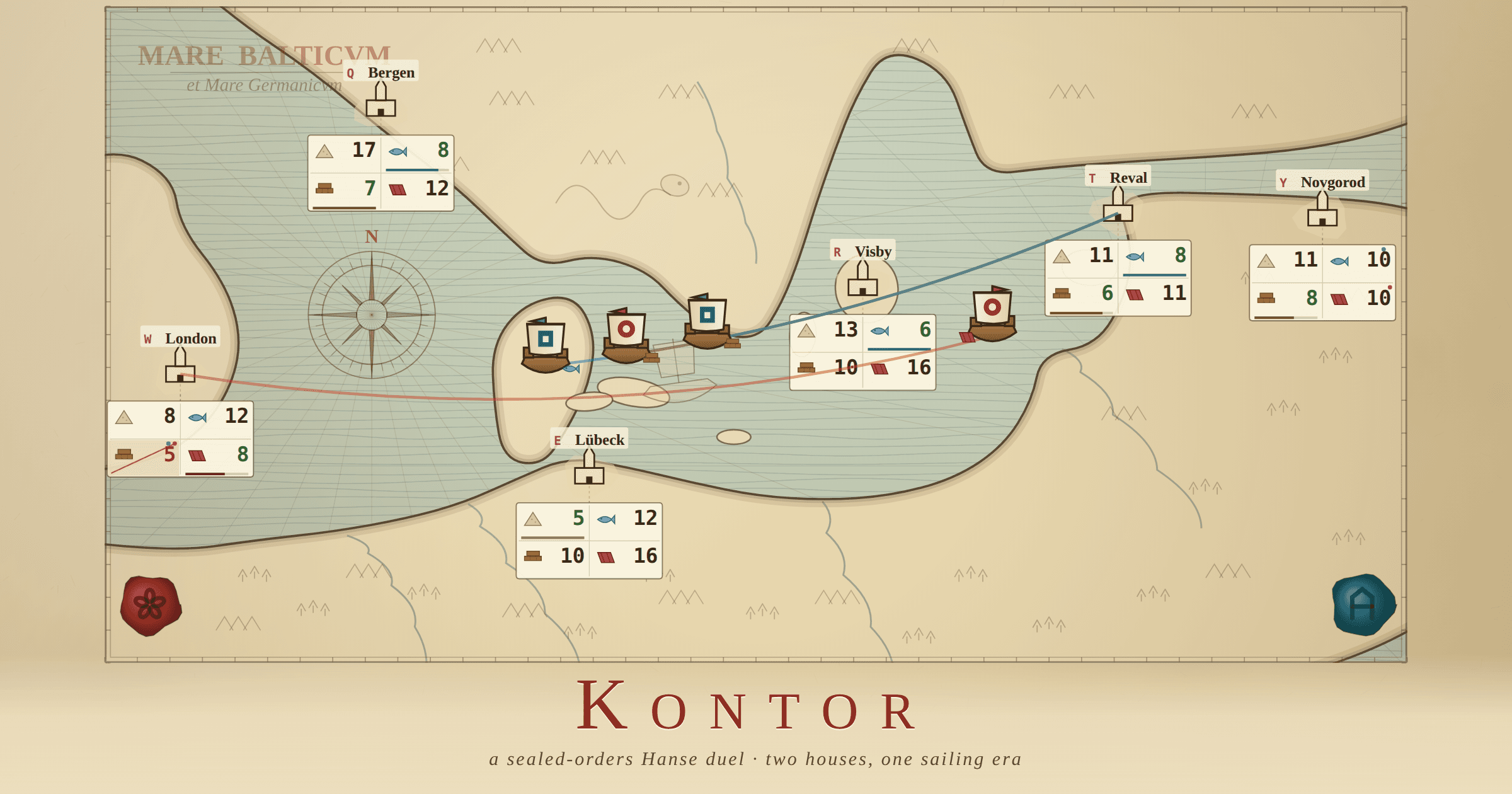
Send a friend a code and trade them under. Sealed orders, open markets — and if you both dump the same cargo, the whole town crashes.